Tomatoes are the crown jewel of any Western New York garden. But growing them successfully in our unique climate — with heavy clay soil, unpredictable late frosts, and a shorter growing season — requires local knowledge that generic gardening guides simply don't cover.
This guide is written specifically for gardeners in the Buffalo, Rochester, and greater WNY area. Whether you're a first-time grower or a seasoned pro, these tips will help you harvest your best crop yet.
When to Plant
Timing is everything in WNY. Our USDA Hardiness Zone (5b–6a) means the last frost date typically falls between May 10–20, though experienced local gardeners know it can surprise you as late as Memorial Day weekend.
WNY Tomato Timeline
- Mid-MarchStart seeds indoors under grow lights. Use a heat mat — tomato seeds germinate best at 75–85°F.
- Late AprilBegin hardening off seedlings outdoors for 7–10 days. Bring them in if overnight temps drop below 45°F.
- May 15–25Transplant into the garden after the last frost. Soil temperature should be at least 60°F at a 4-inch depth.
- July–SeptPeak harvest season. Pick when fruits are fully colored but still firm for the best flavor.
Pro tip from local growers: Many Buffalo-area nurseries start selling hardened-off transplants in early May. If you missed the seed-starting window, buying locally grown starts is your best bet — they're already acclimated to our conditions.
Soil & Sun
If you've ever stuck a shovel into a WNY yard, you know the challenge: heavy clay soil. It retains water, compacts easily, and can suffocate tomato roots. But with the right amendments, our clay can actually become an asset — it holds nutrients better than sandy soils.
Fixing Clay Soil
- •Mix in 3–4 inches of compost each spring
- •Add perlite or coarse sand for drainage
- •Use raised beds if drainage is severe
- •Target pH of 6.2–6.8 (test yearly)
Sun Requirements
- •Minimum 6–8 hours of direct sun daily
- •South-facing spots are ideal in WNY
- •Morning sun helps dry dew and prevent blight
- •Avoid planting near large trees (root competition)
Many local garden centers and soil/mulch suppliers in the 716 area sell pre-mixed "garden blend" soil that's specifically formulated for our region's clay. It's worth the investment — especially for raised beds and container gardens.
Pro Tips
These tips come straight from WNY's most experienced growers — the nursery owners, master gardeners, and landscapers who've been growing tomatoes in this climate for decades.
1. Choose Short-Season Varieties
With only about 150 frost-free days, stick to varieties that mature in 60–75 days. Early Girl, Juliet, Sun Gold, and Celebrity are local favorites. For heirlooms, try Stupice or Glacier — both bred for cooler climates.
2. Mulch Like Your Harvest Depends on It
Apply 3–4 inches of straw or shredded hardwood mulch around your plants after the soil warms. This regulates soil temperature during our wild WNY temperature swings, retains moisture, and prevents the soil-borne diseases that thrive in our humid summers.
3. Watch for Late Blight
Our Lake Erie and Lake Ontario moisture creates perfect conditions for late blight (Phytophthora infestans). Space plants 24–36 inches apart for airflow, water at the base (never overhead), and consider copper-based fungicide sprays as a preventive measure starting in July.
4. Extend Your Season
Use Wall O' Water cloches to plant 2–3 weeks early. In September, when the first frost threatens, drape row cover fabric over your plants to squeeze out a few more weeks of ripening. Many Rochester-area gardeners report harvesting into mid-October this way.
5. Support Your Plants Properly
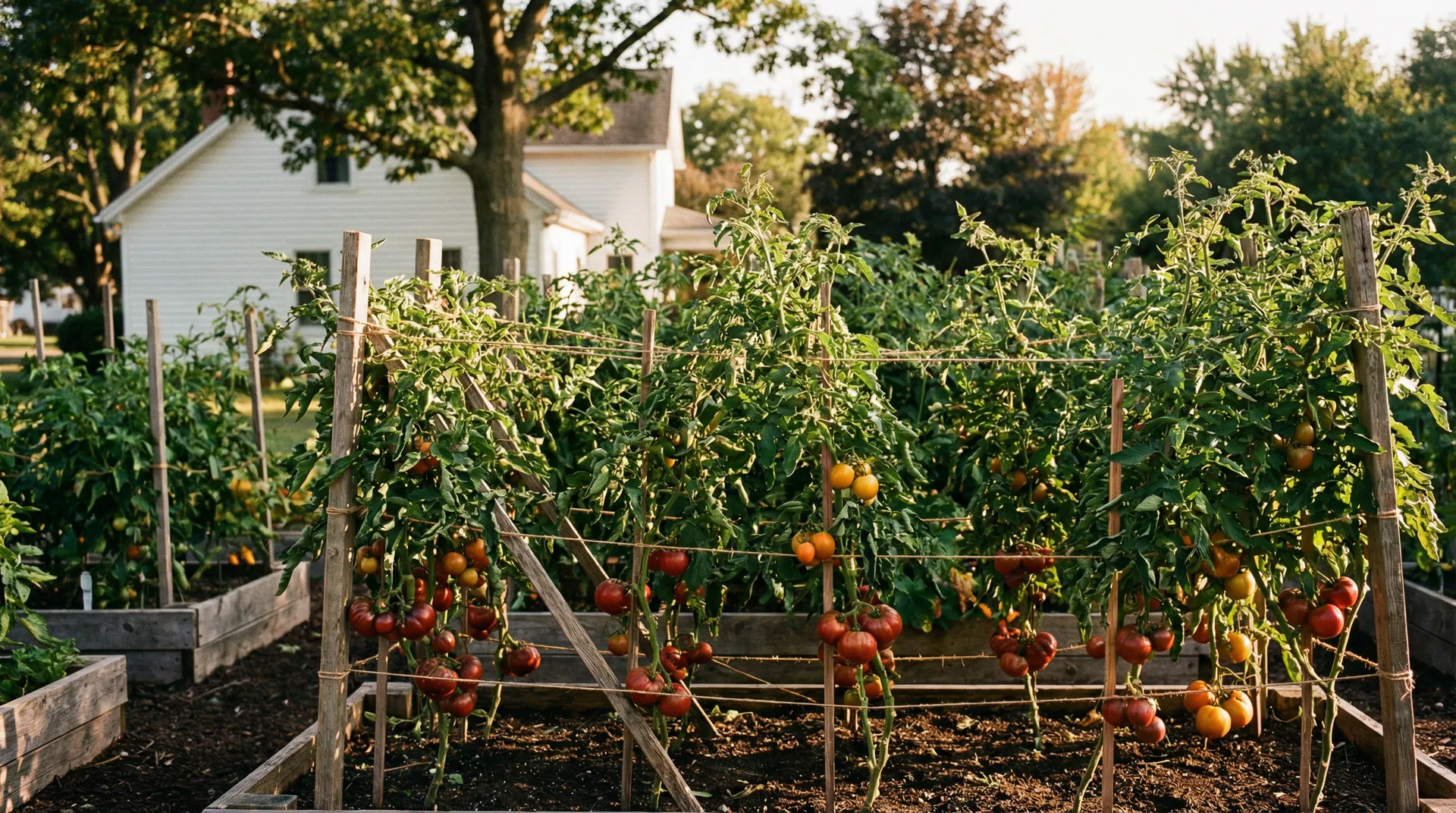
WNY's summer storms can be brutal. Use sturdy cages (not the flimsy cone-shaped ones), or the "Florida weave" string trellis method with 6-foot stakes driven 12 inches deep. Your local hardware stores and garden centers carry heavy-duty options built for our conditions.
Ready to plant? Support our local growers.
Find tomato starts, seeds, soil amendments, and expert advice from verified WNY nurseries and garden centers.
Find Tomatoes at a WNY NurseryMore Expert Guides Coming Soon
We're working on hyper-local planting guides for perennials, native plants, herbs, and more — all tailored for the 716 & 585.
Back to the Directory